Nuclear medicine
Using radioactive isotopes to image the body from the inside or destroy diseased tissue — diagnosis and treatment driven by how cells absorb and emit radiation.
Learn first
A radioactive tracer is introduced into the body — by injection, ingestion, or inhalation — and accumulates in target tissue because of its chemistry, not its radioactivity. A gamma camera or PET scanner then maps where the radiation escapes, revealing metabolic activity that a structural scan cannot. The same principle runs in reverse for therapy: an isotope chosen to linger in a tumor delivers a lethal dose locally. The hard part is supply — medical isotopes have half-lives measured in hours to days, so they must be made, purified, and shipped on a schedule that leaves no slack. Most of the global supply flows through a handful of research reactors, making the chain fragile.
Where it came from
In megatrends
Related players
Finds citing this concept
Overall = breadth + depth + substance + ½·novelty + freshness (a small boost that halves each week)
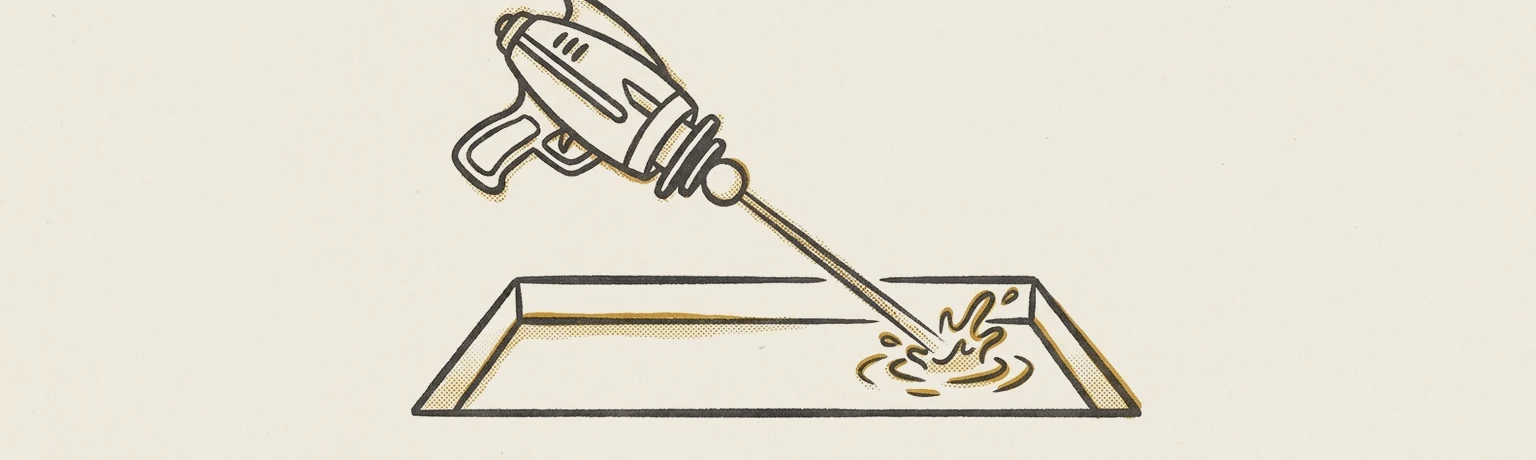
The fusion gun that isn't a power plant
A federal loan office has agreed to lend up to $263 million to finish a Wisconsin plant that fires fusion neutrons into liquid uranium — not to make power, but to make the medical isotope behind 40,000 US scans a day.
How this connects
Tap a node to open it