CRISPR
A molecular scissors system that lets researchers cut and rewrite DNA at a precise location in any living cell.
Learn first
CRISPR–Cas9 works in two parts: a guide RNA that matches a target DNA sequence, and a Cas9 protein that cuts both strands of the double helix at that address. Once cut, the cell's repair machinery either disables the gene or, if a template is supplied, splices in new sequence. What made it transformative is programmability — changing the target means changing one short RNA sequence, not redesigning an enzyme from scratch. The hard part is delivery: getting the editing machinery into the right cells, in the right tissue, without off-target cuts elsewhere in the genome.
Where it came from
In megatrends
Related players
Finds citing this concept
Overall = breadth + depth + substance + ½·novelty + freshness (a small boost that halves each week)

CRISPR that makes its own couriers
Doudna's lab programmed the cells a gene editor reaches to build and ship the editor onward to their neighbors, so the edited population ends up larger than the population the injection ever touched.
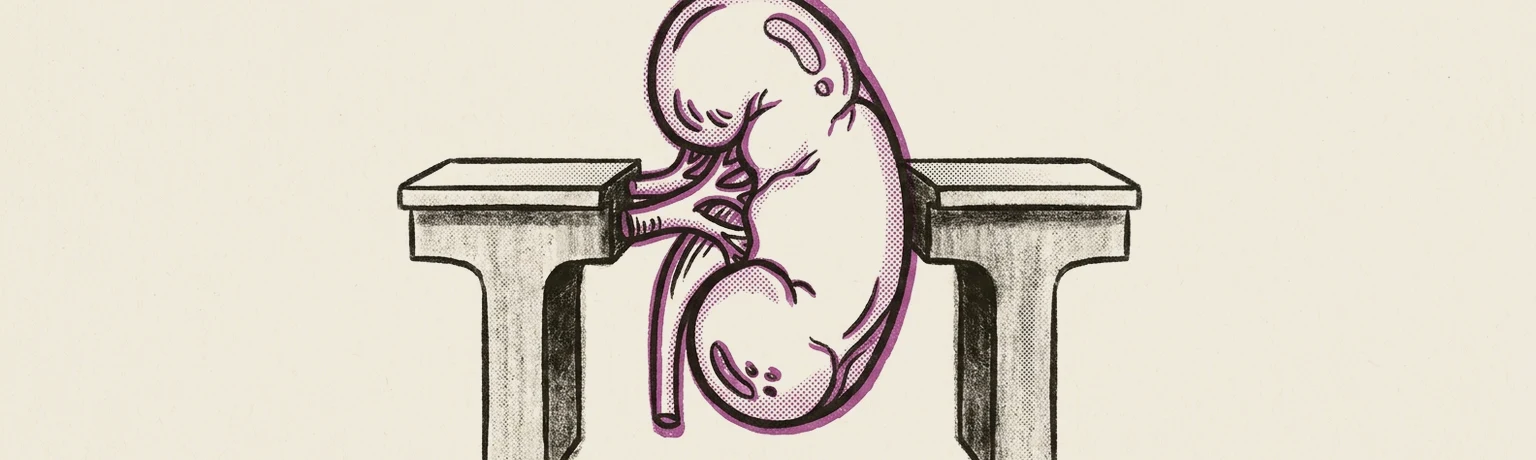
Pig kidneys enter trials
For four years, pig organs went into people one heroic case at a time; in late 2025 the FDA let the field start its first structured trials, enrolling patients in numbered cohorts.
How this connects
Tap a node to open it